TL;DRTipping norms are wildly inconsistent across countries · 20% in the US, often nothing in Japan, sometimes insulting in others. Looking up the destination's rules takes 2 minutes and prevents constant confusion and unintended cultural misreads.
The US has the most aggressive tipping culture in the world. Servers earn most of their income from tips; 18–22% is expected. American travelers carry this assumption abroad and either over-tip in places where tipping is unwelcome (Japan, Korea, parts of Northern Europe), or under-tip in places where tips are a real part of pay (much of Latin America, parts of Southeast Asia).
A 2-minute pre-trip lookup of the destination's tipping norms eliminates one of the most consistent sources of low-grade tourist discomfort.
Quick reference by region
- United States, Canada: 18–22% restaurant, $1–2/drink at bars, $1–5/bag bellhops, 15–20% taxi, $3–5/night housekeeping. Tipping is genuinely how staff are paid.
- UK, Ireland: 10–12.5% restaurant (often added as "service charge"), nothing extra needed. Round up for taxis. No tip in pubs.
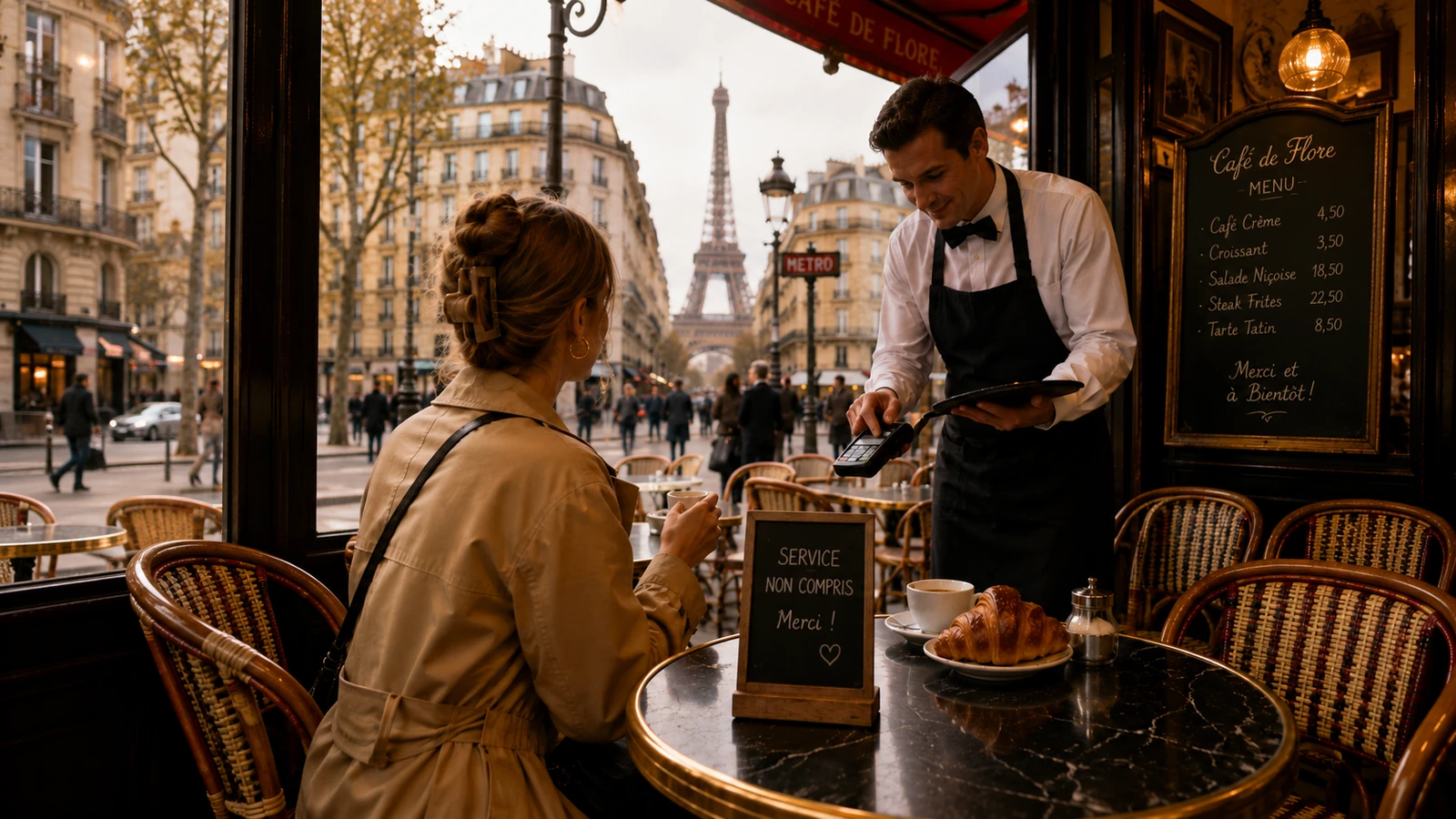
- France, Italy, Spain, Germany: Service is generally built into prices (France prints "service compris"; Italy's "coperto" is a per-person cover charge, not a tip). Round up or leave 5-10% for good service; in Germany 5-10% is normal, said aloud as the total you want to pay. Round up for taxis.
- Scandinavia (Sweden, Norway, Denmark, Finland): Service charge included. No tipping expected at restaurants; locals consider it unnecessary.
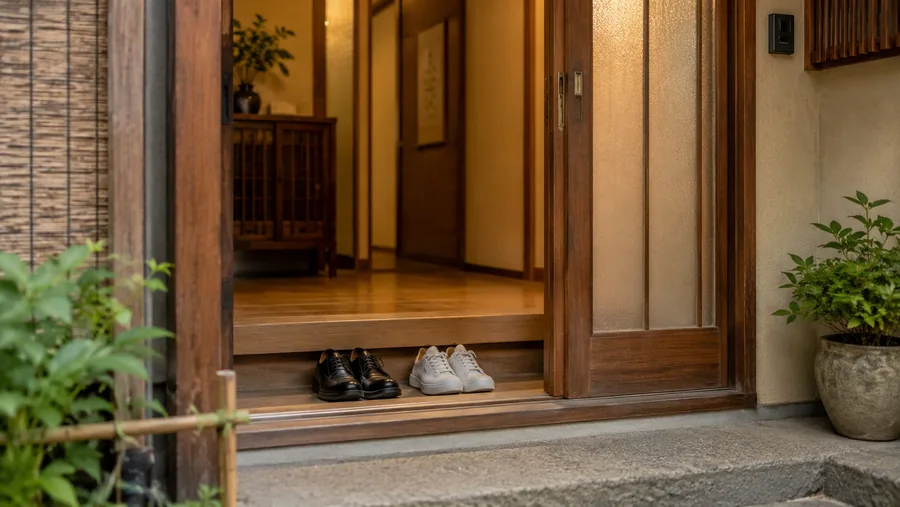
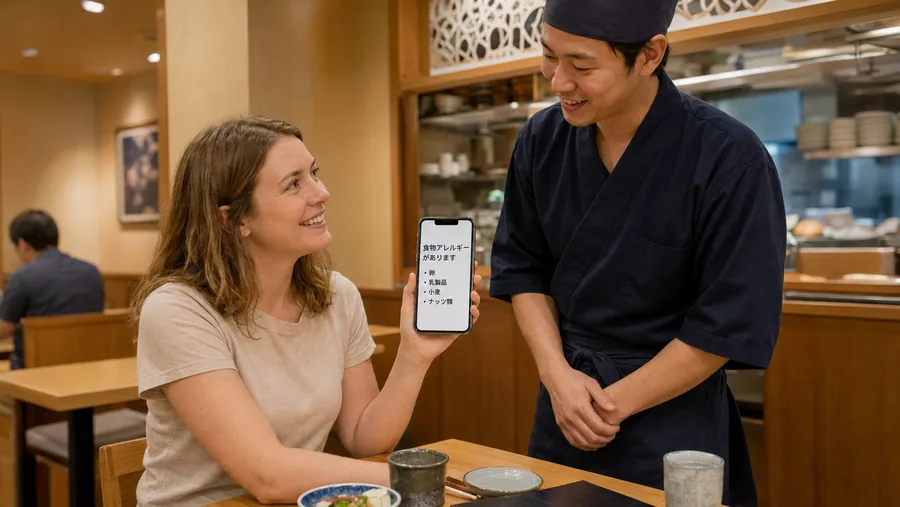
- Japan: No tipping. Anywhere. Including restaurants and taxis. Offering a tip can be confusing or mildly insulting. The single exception: high-end ryokan or tour guide services where a sealed envelope of cash with both hands is the polite gesture.
- South Korea: Generally no tipping. Service charge sometimes included at hotels.
- China: Tipping not customary in most local restaurants; international hotels expect it. Don't tip taxi drivers.
- Southeast Asia (Thailand, Vietnam, Indonesia, Cambodia): Tipping appreciated but not strictly expected. 5–10% at restaurants, small bills for hotel staff and drivers.
- India: 10% at restaurants if no service charge. Small bills for hotel staff. Negotiated fixed fare with taxis (no tip on top).
- Middle East (UAE, Saudi Arabia, Egypt, Jordan): 10–15% at restaurants if not included, generous for hotel staff. Always carry small bills.
- Latin America (Mexico, Argentina, Brazil, Peru): Check the bill first: a service charge is often added (Brazil usually adds 10%). If not, 10-15% at restaurants, more at upscale places. Round up taxis. Tip hotel and tour staff in local currency.
- Australia, New Zealand: No service charge as standard, but weekend and public holiday surcharges (up to 15%) are common. Tipping isn't expected; 10% for great table service in a city restaurant is generous.
The mechanical advice
- Carry small local currency for the destinations where tipping is expected. ATMs don't usually dispense small bills, so break a larger one early.
- Read the bill carefully, many countries auto-include service charge, sometimes 10–15%. Tipping on top is voluntary, not double-paying.
- Watch what locals do. Sit at a counter or watch a couple of locals pay before you. Their behavior is the authoritative answer to "is tipping expected here?"
- If in doubt, ask the concierge. Hotel staff have the most accurate read on local tipping norms and won't be offended by the question.
Bottom line
Tipping is cultural communication. The wrong amount (too much or too little) sends a message you didn't intend. Two minutes of pre-trip research per country is enough to handle 95% of situations comfortably and avoid the small social frictions that pile up over a trip.