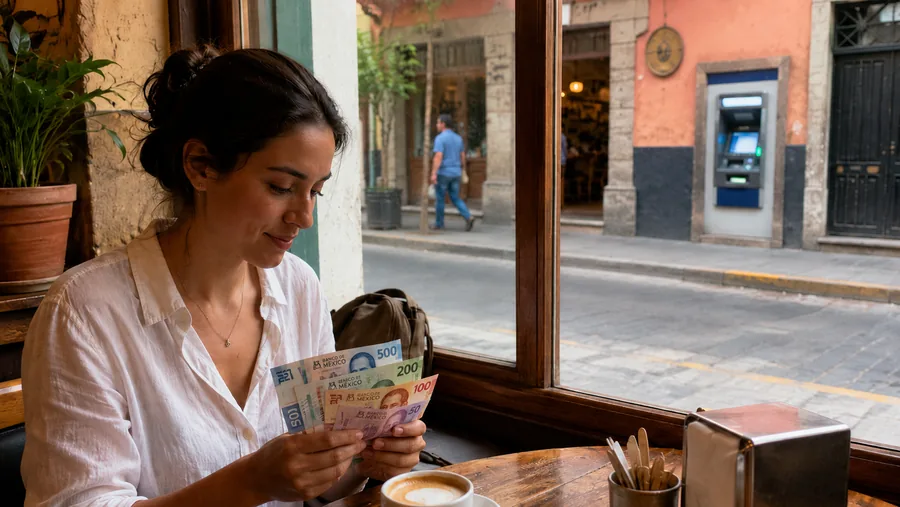
TL;DRStandard credit cards charge 1–3% foreign transaction fees on every purchase abroad, about $30–90 per $3,000 spent. Cards with zero FTF are widely available and free; getting one before your next trip pays for itself in the first weekend.
If your wallet's main credit card is a basic rewards card from a major issuer, there's a non-trivial chance it charges a 1–3% foreign transaction fee on every purchase made in a foreign currency or processed through a foreign bank. That fee compounds: at 3% on $3,000 of trip spend, you've handed your bank an extra $90 for nothing.
The fix is one card, one application, one trip's worth of payoff. Many no-FTF cards have no annual fee. Some come with travel rewards on top.
What to look for
- 0% foreign transaction fee, the only mandatory criterion. Verify it in writing in the card's terms.
- Visa or Mastercard, accepted in roughly 200 countries. Amex and Discover are accepted in many places but spottier; carry one if it earns you points but bring a Visa/MC as backup.
- Chip-and-PIN capability, most US cards default to chip-and-signature, which fails at certain unattended kiosks in Europe (train tickets, gas pumps). Workarounds: use the kiosk with a clerk, switch to Apple Pay, or use cash.
- No annual fee, plenty of cards offer 0% FTF without an annual fee. Examples include the Capital One Quicksilver, the Bilt Blue, and many credit union cards. Check the terms: some popular no-fee cards still charge 3%.
- Travel insurance and rental car coverage, nice extras if you have to choose between two cards anyway. The Chase Sapphire Preferred includes primary rental car coverage and trip delay reimbursement (delays over 12 hours, up to $500 per traveler). The Capital One Venture's rental coverage is secondary in the US and it has no trip delay cover.
What "dynamic currency conversion" really is
When you pay with a card abroad and the terminal asks "Pay in USD or in EUR?", always choose the local currency (EUR in this example). Choosing USD invokes Dynamic Currency Conversion, where the merchant's terminal applies a markup of 3–8% to the exchange rate. You'll see a familiar number in USD on the receipt, but you'll have paid more for the privilege.
Your no-FTF card uses the Visa/Mastercard network exchange rate, which is essentially the interbank rate plus a tiny fraction. That's almost always better than the terminal's DCC rate.
Cards to evaluate (2026 US market)
No-annual-fee options worth checking:
- Capital One Quicksilver / Quicksilver Cash Rewards
- Bilt Blue (Mastercard, no annual fee, no FTF)
Two popular no-fee cards that do not qualify: the Chase Freedom Unlimited and the Wells Fargo Active Cash both charge 3% on foreign purchases.
If you travel multiple times per year and want travel rewards and protections, the Chase Sapphire Preferred ($95) and Capital One Venture ($95) are the standard recommendations.
Bottom line
One card. One application. A 3% savings on every foreign purchase for the rest of your travel life. There's not a cheaper or simpler optimization in international travel. Get the application in 4 weeks before your next trip, issuers can take a few weeks to approve and mail the card.