TL;DRPaying $15–40 to board earlier almost never pays off. On full flights the bins run out late in boarding, and gate-checking a carry-on is free on most standard fares. Skip the upgrade unless you're traveling with kids or have a tight connection.
Airlines have turned boarding order into a paid product. Southwest's Priority Boarding, United's Premier Access, American's paid Priority boarding (which lands you in Group 4 of 9, behind three groups of elites), each one is a small upcharge that travelers pay to skip three minutes of waiting at the jet bridge. Frequent flyers know the real value is bin space, but most of the time, even that doesn't pencil out.
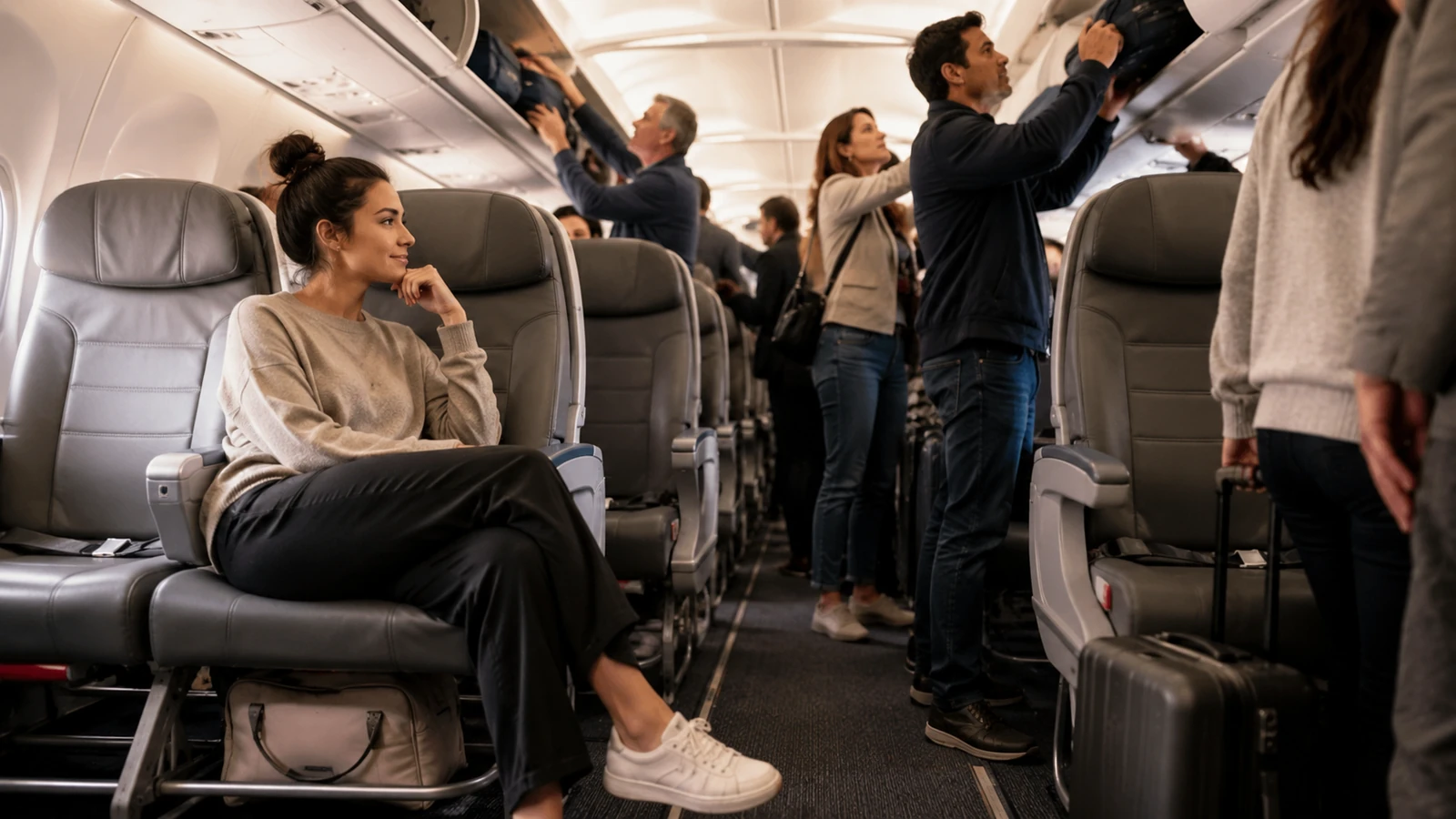
The math: on a full flight, bins usually run out somewhere in the back half of the boarding order, and that's when the gate agent starts checking roller bags. Board in the first few groups and you almost always have bin space. Board near the end and you may not, but gate-checking a carry-on is free on most major-airline fares (basic economy fares without a full-size carry-on, and budget airlines, charge for it). One catch: on mainline jets a gate-checked bag usually goes to baggage claim at your final destination; only on small regional jets do you get it back on the jet bridge.
When early boarding actually matters
- Traveling with kids, you need time to settle car seats, snacks, and toddlers without 80 people queuing behind you. Use the standard family pre-boarding most airlines offer (usually free).
- Tight connection on arrival, if your next flight is in 35 minutes, a gate-checked bag on a mainline jet usually travels on to your final destination, so you won't miss the connection waiting for it, but you won't have it if the connection breaks. If you need what's inside, board early to ensure overhead space. Even then, sitting toward the front of the plane matters more than the boarding upgrade.
- Carry-on with fragile contents, wedding dress, musical instrument, expensive camera. Gate-checked bags travel less gently than hand-stowed ones.
- Disability or mobility need, pre-boarding is free and applies to anyone needing extra time. Don't be shy about asking.
When it doesn't
Almost every other situation. If you're a normal-sized passenger with a normal carry-on going to a destination where you're not connecting:
- If you board mid-pack, you'll usually still find bin space, maybe a few rows from your seat.
- If you're in group 4+ and bins are full, the gate agent will offer free gate-checking. Smile, say yes, walk on the plane bagless.
- You skip the bin scramble. On regional jets the bag meets you on the jet bridge; on mainline jets it usually meets you at baggage claim.
What's worth paying for instead
If you have $30 to spend on a flight experience upgrade, spend it on:
- An aisle seat near the front of economy, faster off the plane than premium boarding makes you on.
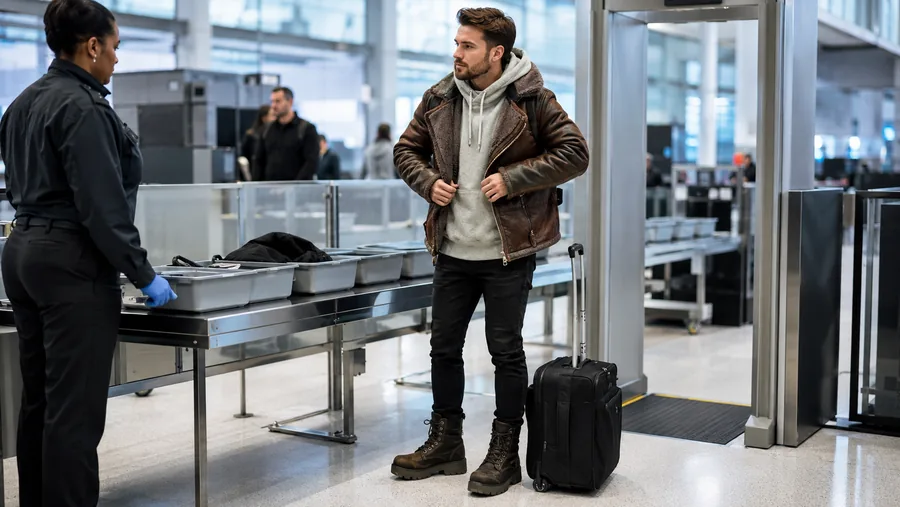
- TSA PreCheck, $78–$85 for 5 years depending on the enrollment provider; TSA says 99% of PreCheck passengers wait under 10 minutes.
- A bigger pair of noise-canceling headphones, a one-time purchase that makes every flight better.
Bottom line
Early boarding is a status game that sells well because it feels like a win. Outside of family travel, tight connections, and fragile cargo, skip it. Use the free pre-boarding offers where they apply, accept gate-checking when bins fill up, and put the $30 toward something that genuinely improves the trip.